
by Dr. Lisa Olszewski | Oct 30, 2026 | Uncategorized
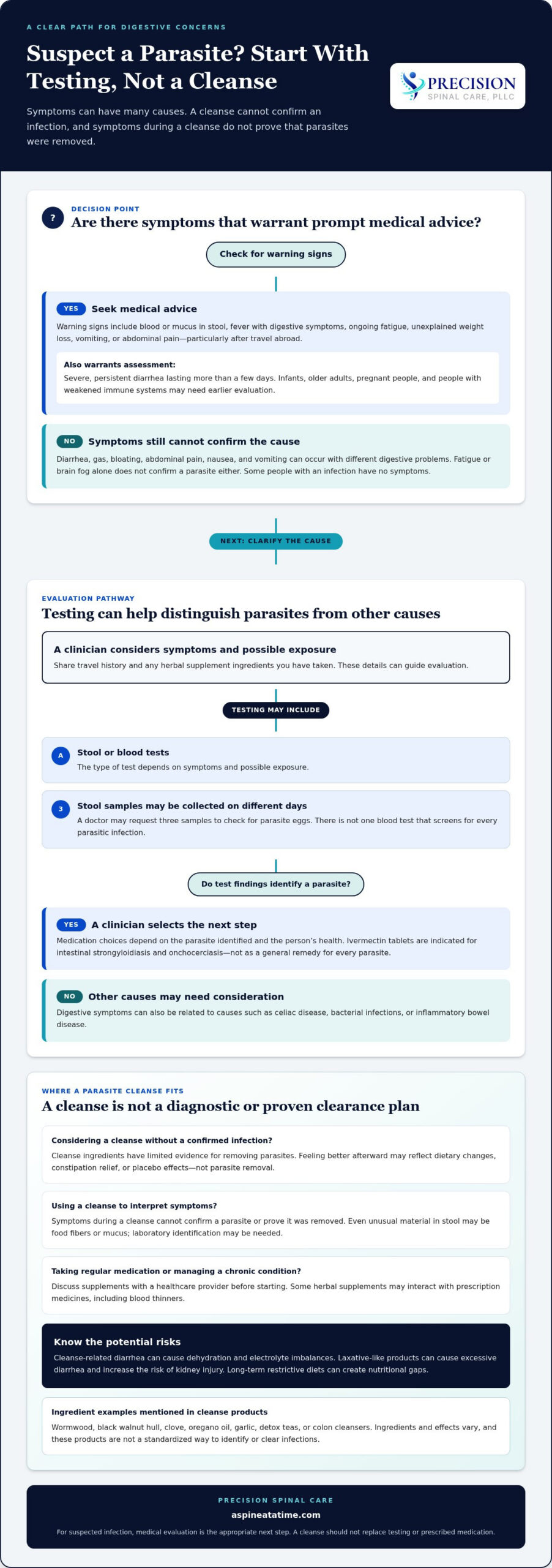
A parasite detox isn’t a proven way to remove an infection. If you’re wondering what a parasite detox is, it’s a diet, product, or supplement promoted to eliminate intestinal parasites. However, cleanses haven’t been shown to reliably clear an infection.
It’s understandable to look for a natural option when digestive symptoms or fatigue disrupt daily life. But symptoms during a cleanse don’t confirm an infection, and feeling better afterward doesn’t prove parasites were removed.
This article explains what natural cleanses can and can’t do, which symptoms may warrant medical evaluation, and how testing and care are approached. You’ll also learn why a suspected infection calls for a clearer plan than a one-size-fits-all cleanse, and how to consider gut and wellness support safely.
So, can those natural parasite cleanses ever work?
Wondering what a parasite detox is? It’s usually a product, supplement, or diet promoted to remove parasites. Natural cleanses aren’t proven to clear a diagnosed infection, and their ingredients or restrictive plans may carry risks.
Evidence for cleanse ingredients
Evidence that cleanse ingredients remove parasites is limited. The National Center for Complementary and Integrative Health reports that human research on detox and cleansing programs is limited and often low quality. A parasite detox isn’t medically proven to remove parasites. Feeling better afterward may reflect dietary changes, constipation relief, or placebo effects, rather than parasite removal.
Cleanse risks and medication interactions
Cleanse-related diarrhea can cause dehydration and electrolyte imbalances. Some herbal supplements may interact with prescription medicines, including blood thinners. Laxative-like products can also cause excessive diarrhea and increase the risk of kidney injury. If you take regular medication or manage a chronic condition, discuss supplement use with a healthcare provider before starting.
Common ingredients and dietary restrictions
Parasite cleanse products may contain wormwood, black walnut hull, clove, oregano oil, garlic, detox teas, or colon cleansers. Some plans restrict sugar or other foods; following restrictive diets long term can create nutritional gaps. These products aren’t a standardized way to identify or clear infections. Their ingredients and effects vary, so symptoms during a cleanse can’t confirm a parasite or its removal.
Cleanses versus clinician-directed care
A cleanse isn’t a standardized medical protocol for identifying or clearing every parasite. Understanding what a parasite detox is helps distinguish a wellness product from care for a diagnosed infection. Testing can identify whether parasites are present, and clinicians can then select appropriate antimicrobial or antiparasitic medication. Some cleanse plans last one to four weeks, but that duration doesn’t establish effectiveness or confirm an infection.
Symptoms of parasitic infections
Digestive symptoms can have many causes, including contaminated food, bacteria, and parasitic infections. Symptoms alone can’t confirm the cause or show that a supplement is appropriate.
Common intestinal symptoms
Intestinal parasites can cause diarrhea, gas, bloating, abdominal pain, nausea, and vomiting. Anal itching is another possible symptom, especially at night with pinworms. Some people with an infection have no symptoms but can still pass it to others. Because these signs overlap with other digestive problems, they don’t establish a parasite infection or determine appropriate care on their own.
Symptoms attributed to parasites online
Social media often links fatigue, brain fog, or bloating to parasites. These symptoms can have other causes, so they don’t confirm an infection. Even unusual material in stool may be food fibers or mucus rather than a worm. Laboratory identification may be needed to tell the difference. Don’t use symptoms during a cleanse as proof of infection or successful parasite removal.
Symptoms warranting medical attention
Seek medical advice for blood or mucus in stool, fever with digestive symptoms, ongoing fatigue, unexplained weight loss, vomiting, or abdominal pain, particularly after travel abroad. Severe, persistent diarrhea lasting more than a few days also warrants assessment. Infants, older adults, pregnant people, and people with weakened immune systems may need earlier evaluation. Persistent digestive symptoms can have other causes, including celiac disease, bacterial infections, or inflammatory bowel disease.
Pinworms are relatively common in the United States and typically cause mild symptoms. Nighttime itching around the anus is a classic sign, but diarrhea or abdominal pain doesn’t necessarily mean someone has intestinal parasites.
Possible signs include fatigue, bloating, diarrhea after traveling, stomach pain, nausea or vomiting, unexplained weight loss, or passing worms in stool. Recent travel to an area where parasites are endemic, along with unexplained weight loss, could point to a parasite, but these signs don’t prove infection. For severe, persistent diarrhea lasting more than a few days, contact a primary care provider.
Frequently asked questions about parasite testing and care
Testing helps distinguish parasitic disease from other causes of digestive symptoms, such as bloating after eating contaminated food.
How are intestinal parasites tested?
A doctor may use stool or blood tests, based on symptoms and possible exposure. According to the Centers for Disease Control and Prevention, a doctor may request three stool samples collected on different days to check for parasite eggs. There isn’t one blood test that screens for every parasitic infection. Share travel history and any herbal supplement ingredients you’ve taken, since those details can guide evaluation.
What medications are used, including ivermectin?
Prescription medication depends on the parasite identified and the person’s health. Ivermectin tablets are indicated for intestinal strongyloidiasis and onchocerciasis, not as a general remedy for every parasite. A doctor selects medication based on the suspected disease and test findings. Don’t substitute a cleanse or herbal product for prescribed medication, since ingredients and effects differ.
How are pinworms managed at home?
Pinworm infections may be managed with targeted medication, sometimes given in a few doses. Handwashing after using the bathroom and before eating helps prevent spread. Changing underwear and bed linens daily can also help clear a household outbreak. Pinworms spread when contaminated surfaces or hands carry eggs to someone’s mouth, so consistent hygiene matters. For symptoms or suspected infection, seek medical advice about testing and appropriate care.
Precision Spinal Care: NUCCA Upper Cervical Chiropractic
Based in Chelsea, Michigan, Precision Spinal Care offers NUCCA upper cervical chiropractic care and wellness support for people in nearby communities. Gentle spinal alignment focuses on the upper neck and nervous system, without twisting, popping, or cracking.
For parasite testing or a suspected infection, medical evaluation is the appropriate next step. Precision Spinal Care offers nutritional consultations, wellness coaching, and parasite cleansing programs as part of personalized wellness support, but these services don’t diagnose or provide medical care for parasitic infections. A cleanse should not replace testing or prescribed medication.
If you’re exploring whole-body wellness alongside appropriate medical care, contact Precision Spinal Care to learn more about its approach.
Choose a Clear, Supportive Next Step
When health concerns linger, a thoughtful plan can help you move forward with more confidence. Track symptoms, changes in digestion, and questions that arise, then share those details at a healthcare visit. That conversation can help guide decisions about testing and next steps.
Knowing what a parasite detox can and can’t do makes it easier to distinguish wellness support from medical evaluation. Choose information that respects both: your concerns deserve attention, and suspected infections call for a careful, evidence-informed approach. Wellness choices work best when they complement appropriate medical care rather than replace it.
For a conversation about holistic wellness support, contact Precision Spinal Care. A steady, informed next step can make the path ahead feel more manageable.
Frequently Asked Questions
What are parasites?
Parasites are organisms that live in or on another organism, called a host. Intestinal parasites include protozoans, which are single-celled organisms, and worms such as pinworms. Some infections cause symptoms, while others may not. The type of parasite matters because exposure, testing, and appropriate medical care differ.
Can apple cider vinegar help with parasites?
Apple cider vinegar hasn’t been shown to remove intestinal parasites. Drinking it or adding it to meals shouldn’t replace testing or prescribed medication for a diagnosed infection. It can still be used as a food ingredient if it suits your diet, but digestive changes after using it don’t confirm that parasites were present or removed.
How do I deworm myself naturally?
There’s no proven natural method for deworming yourself. Avoid taking herbal products or over-the-counter medicines based only on a symptom or social media post. Instead, note when your concerns began and record relevant exposures, such as travel, untreated water, undercooked meat, or contact with animals. Those details can help guide a focused medical evaluation.
Parasite Cleanses: Hype or Helpful?
Reliable evidence doesn’t support cleanses as a way to remove parasites. They may change eating habits or bowel movements, but those effects don’t establish parasite removal. For everyday digestive support, fiber-rich foods such as vegetables, fruit, legumes, and whole grains can nourish beneficial gut bacteria without claiming to clear an infection.
What if I don’t have symptoms, but I still think I might have a parasite?
Having no symptoms doesn’t completely rule out infection, since some people can carry parasites without feeling ill. Consider what prompted your concern: recent travel, untreated water, or a known exposure provides more context than a general fear. Write down the exposure and any changes in your health so a medical evaluation can focus on relevant risks.
Disclaimer
This article is for educational purposes only and is not intended to diagnose, treat, cure, or prevent any disease or medical condition. Upper cervical chiropractic care, including NUCCA-based care, focuses on the relationship between the upper spine, nervous system, posture, and overall body function. Individual results may vary, and not every condition or symptom is appropriate for chiropractic care alone. Always consult with a qualified healthcare provider regarding any health concerns, new or worsening symptoms, or before starting any new treatment plan. If you are experiencing a medical emergency, severe pain, sudden neurological symptoms, or other urgent health concerns, seek immediate medical attention.

by Dr. Lisa Olszewski | Oct 28, 2026 | Uncategorized
There are 29 chiropractic specialists in Chelsea, Michigan, so a posture correction specialist serving Chelsea, MI may be found by searching from your location and narrowing results to your preferred travel distance. Compare each specialist’s approach with your needs, including whether you want gentle upper cervical care and guidance for posture-related concerns. The right fit depends on your goals and the type of care you’re seeking.
It’s understandable to want more than a quick answer to why your posture feels off. This article explains what to consider when finding chiropractors near Chelsea, what home exercises and patient education may involve, and how a personalized plan can support your recovery goals. You’ll also learn how gentle care focused on the upper cervical spine may fit into a broader approach to posture and wellness.
Chiropractors serving Chelsea, Michigan
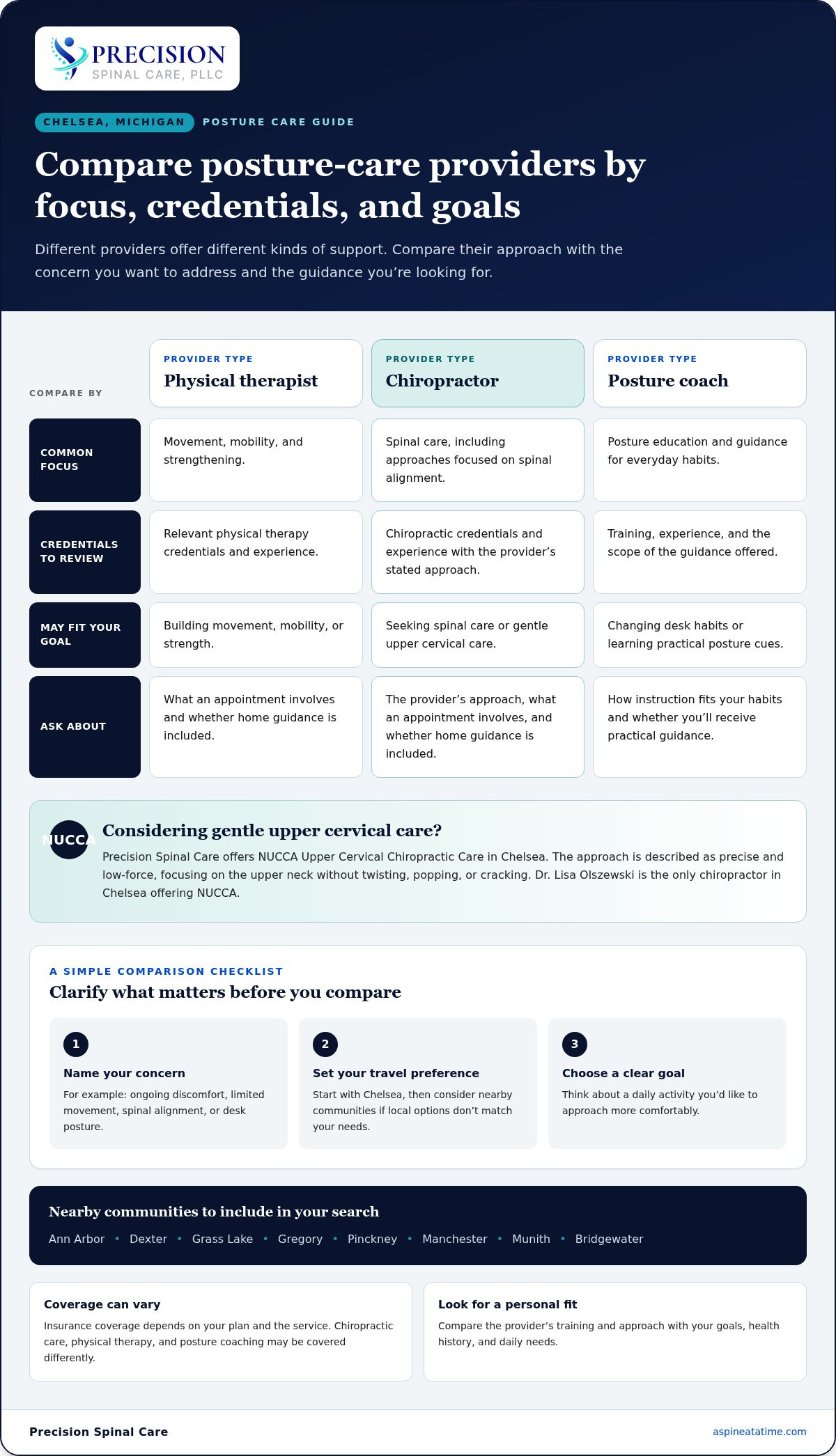
To find posture care near Chelsea, start with your location, then narrow results by the distance you’re willing to travel. If local options don’t match your needs, include nearby communities such as Ann Arbor, Dexter, Grass Lake, Gregory, Pinckney, Manchester, Munith, and Bridgewater.
Comparing Posture Care Providers
Different providers focus on different needs. Physical therapists commonly work on movement, mobility, and strengthening; chiropractors provide spinal care; posture coaches may offer education and habit guidance. Consider your main concern, such as ongoing discomfort, limited movement, spinal alignment, or desk posture. Ask what an appointment involves and whether home guidance is part of the plan.
Insurance coverage for posture care depends on your plan and the type of service. Chiropractic care, physical therapy, and posture coaching may be covered differently, so review your benefits for the specific service you’re considering.
Specialist Qualifications in Michigan
Look for training and experience that match the care offered. For chiropractic services, review the provider’s chiropractic credentials and experience with their stated approach. A physical therapist should have relevant physical therapy credentials, while a posture coach should be able to explain their training and the scope of their guidance. These details help you understand how the provider can support your goals.
Compare the provider’s approach with your needs, not just the distance. If you’re seeking gentle upper cervical care, for example, look for experience with that method. If your main goal is changing desk habits, clear instruction and practical guidance may matter more. Before scheduling, identify your concern, preferred travel distance, and goal. That makes local options easier to compare.
Home exercises and patient education
Posture guidance is most useful when it connects with everyday routines. A provider may discuss how your habits relate to your goals and suggest practical ways to build awareness at home. For example, someone who works at a desk can notice when their head drifts forward and adjust their sitting position.
Useful education should fit your habits and goals. Ask for a clear explanation of the posture cue to remember and how to apply it. A desk worker might focus on keeping the screen in view without leaning forward; someone who carries a shoulder bag might pay attention to how they distribute its weight.
- Practice the cue: Connect one posture reminder to a routine, such as sitting down to work.
- Use the demonstration: Repeat the movement as shown, rather than guessing at its form.
- Share feedback: Note which daily task feels difficult and discuss it at the next appointment.
Notice patterns between appointments. For example, consider whether discomfort appears during a long drive, computer work, or repeated lifting. These observations give your provider practical context and help distinguish a posture habit from a task that may call for a different approach.
Keep guidance easy to revisit. A short written cue, such as “sit back before leaning toward the screen,” may be easier to remember than several corrections at once. Bring questions about the movement or routine that feels hardest to change to your next appointment. Clear, practical guidance can help connect posture awareness to daily life.
Personalized treatment plans and recovery goals
A useful plan takes your daily habits, symptoms, health history, and goals into account. Note whether headaches or neck tension appear after screen work, driving, or lifting. These details can help shape posture support around the activities you want to manage more comfortably.
Posture-focused care may support people with muscle tension, neck or shoulder discomfort, headaches, or movement concerns, but it cannot determine the medical cause of symptoms. Seek medical evaluation for new, severe, worsening, or concerning symptoms, especially after an injury.
There’s no single timeline or visit schedule for posture support. The plan depends on your goals, symptoms, daily demands, and how your function changes over time. Someone adjusting desk habits may have different priorities from someone working toward comfortable movement after an injury.
Consider the limits of posture guidance, too. It may help address movement habits, but it does not replace medical assessment when symptoms need evaluation. The approach and its suitability depend on your health history and the concern being addressed. Share relevant changes in your health and daily activities during follow-up conversations.
- Define a functional goal: Describe a specific task, such as sitting through a work meeting with less neck tension.
- Track patterns: Record which activities bring on discomfort and what changes ease it.
- Review progress: Discuss whether daily movement or symptom patterns have changed, then adjust the plan accordingly.
A personalized plan should connect each step to a meaningful goal, not just a posture label. A consultation can be an opportunity to discuss your symptoms, priorities, and suitable support.
Treatments may include spinal adjustment, electrical therapy, and mobilization therapy. Centers for Medicare & Medicaid Services says Medicare excludes chiropractor-provided services other than manual spinal manipulation to treat spinal subluxation.
Precision Spinal Care: NUCCA Upper Cervical Care
Precision Spinal Care offers NUCCA Upper Cervical Chiropractic Care for people seeking gentle support with posture and spinal alignment. Dr. Lisa Olszewski is the only chiropractor in Chelsea offering NUCCA. This precise, low-force approach focuses on the upper neck without twisting, popping, or cracking. Care is personalized around your goals, such as sitting more comfortably or moving through daily activities with greater ease.
NUCCA care may provide supportive chiropractic care for people with Bell’s palsy, trigeminal neuralgia, tinnitus, or post-concussion/TBI concerns. It does not replace medical treatment for these conditions. A consultation gives you a chance to discuss your health history and goals and learn whether this approach fits your needs.
To learn more, contact Precision Spinal Care or visit aspineatatime.com.
Take a Thoughtful Next Step
Posture habits take shape through everyday choices, not a single appointment. When considering a posture correction specialist in Chelsea, MI, think about the movements and activities you’d like to approach more comfortably. A clear goal can guide a useful conversation about care.
Precision Spinal Care offers NUCCA Upper Cervical Chiropractic Care, Nutritional Consultations, and Parasite Cleansing Programs. For posture concerns, a conversation can focus on whether gentle upper cervical care fits your needs and wellness goals. Your priorities deserve thoughtful consideration, without pressure to choose an approach that doesn’t feel right.
Contact Precision Spinal Care to discuss your posture and wellness goals. A thoughtful next step can help you move forward with clarity and confidence.
Frequently Asked Questions
How can I find chiropractors within a specific distance from my location?
Use a map or local directory that lets you set a travel radius from your address or ZIP code. Start in Chelsea, Michigan, then expand your search to nearby Dexter or Grass Lake if needed. Compare clinic locations against your usual routes, such as a commute or school pickup, and review appointment details before deciding where to go.
How can I find a top-rated chiropractor in Chelsea, MI?
Compare recent patient ratings alongside the chiropractor’s approach and the concerns they support. Chiropractic specialists in Chelsea have an overall average rating of 4.6 stars. Read individual reviews for details that matter to you, such as communication, care style, or help with posture concerns. A high rating alone won’t show whether a provider’s approach fits your preferences.
What types of posture correction specialists serve Chelsea, MI?
Chiropractors, physical therapists, and posture coaches can each offer different kinds of support. Chiropractors provide chiropractic care; physical therapists focus on movement and physical function; posture coaches may teach posture habits and ergonomic awareness. When comparing a posture correction specialist in Chelsea, MI, consider whether your priority is spinal care, movement guidance, or changing workplace habits.
Which posture correction clinics or providers are located near Chelsea, MI?
Dr. Lisa Olszewski at Precision Spinal Care offers NUCCA care in Chelsea to patients from Dexter, Grass Lake, Ann Arbor, Gregory, Pinckney, Manchester, Munith, and Bridgewater. She is the only chiropractor in Chelsea offering NUCCA. If gentle upper cervical care is your priority, that distinction can help narrow your local search.
What does a typical posture assessment and care plan involve?
A posture conversation may begin with your daily activities, symptoms, and goals, such as standing comfortably at work or sitting through a commute. The provider may observe how you stand or move, explain relevant findings, and discuss next steps. Depending on the approach, guidance may include posture education or movements to practice at home.
Disclaimer
This article is for educational purposes only and is not intended to diagnose, treat, cure, or prevent any disease or medical condition. Upper cervical chiropractic care, including NUCCA-based care, focuses on the relationship between the upper spine, nervous system, posture, and overall body function. Individual results may vary, and not every condition or symptom is appropriate for chiropractic care alone. Always consult with a qualified healthcare provider regarding any health concerns, new or worsening symptoms, or before starting any new treatment plan. If you are experiencing a medical emergency, severe pain, sudden neurological symptoms, or other urgent health concerns, seek immediate medical attention.

by Dr. Lisa Olszewski | Oct 26, 2026 | Uncategorized
Rest that doesn’t restore you can make ordinary days feel difficult. If you’re looking for help for chronic fatigue syndrome in Michigan, discuss symptom-focused medical care with a clinician and consider supportive strategies such as pacing and lifestyle adjustments. The right plan depends on your symptoms and how they affect daily life.
It’s understandable to want clear answers when fatigue comes with brain fog, memory problems, poor sleep, or pain. This article covers common ME/CFS symptoms, including post-exertional malaise, and explains how medical care and non-drug support may fit into a care plan.
You’ll also learn how pacing can help manage activity and recovery, what to consider when planning care, and how gentle, whole-body wellness support from Precision Spinal Care may complement your medical care. The aim is practical information to help you decide on a next step.
Symptoms including brain fog, muscle pain, sleep disturbances, and post-exertional malaise
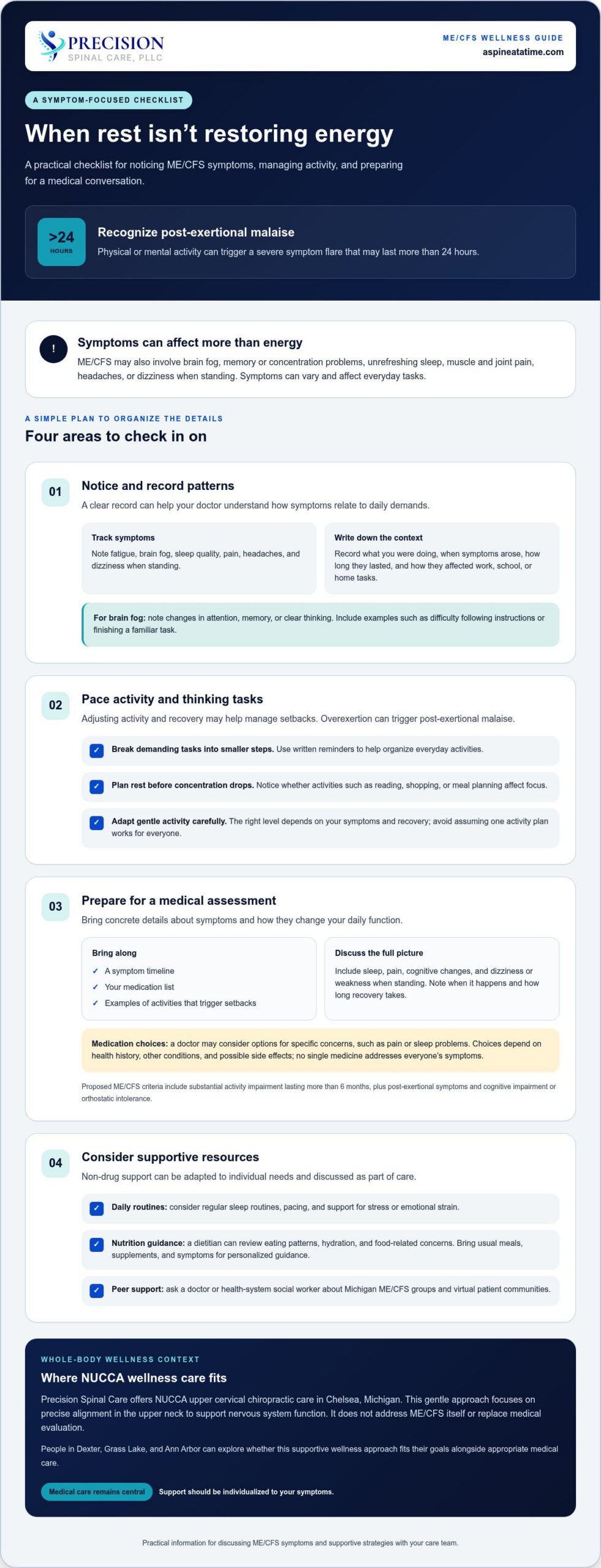
Myalgic encephalomyelitis, also called ME/CFS, can affect daily function well beyond feeling tired. Rest may not restore energy, and physical or mental activity can trigger post-exertional malaise, a severe symptom flare that may last more than 24 hours. Brain fog can make concentrating, remembering details, or finishing familiar tasks harder. Sleep may feel unrefreshing, even after a full night.
Symptoms can include muscle and joint pain, headaches, dizziness when standing, sore throat, or swollen lymph nodes. Some people also describe flu-like symptoms. Fibromyalgia can involve widespread pain, fatigue, sleep problems, and cognitive difficulties, and may occur alongside other conditions. Keep a record of symptoms and how they affect work, school, and home responsibilities to give your doctor a clearer picture.
For a chronic fatigue disability claim, useful evidence may include records of post-exertional malaise, exhaustion that sleep doesn’t relieve, co-occurring conditions, and everyday function. Proposed ME/CFS criteria include substantial activity impairment lasting more than 6 months, plus post-exertional symptoms and cognitive impairment or orthostatic intolerance. Symptom-focused support may include pacing, lifestyle changes, and care directed at specific symptoms.
The University of Michigan Chronic Pain and Fatigue Research Center is a named center for chronic pain and fatigue; its name alone doesn’t establish a dedicated ME/CFS program. When contacting clinics, describe your main symptoms and ask about their experience with post-exertional malaise.
For an appointment, bring a symptom timeline, medication list, and examples of activities that trigger setbacks. Insurance coverage for ME/CFS evaluations and services depends on your plan’s benefits; review the relevant coverage details with your insurer. Social Security Administration guidance allows a couple applying for SSI up to $3,000 in countable assets, excluding a primary residence and one car.
Pharmacological and non-pharmacological therapies
ME/CFS care focuses on individual symptoms because the condition can affect energy, sleep, pain, and concentration. A medical assessment can help identify which symptoms interfere most with daily life. A doctor may consider medication for a particular concern, such as pain or sleep problems. Choices depend on your health history, other conditions, and potential side effects. No single medicine addresses everyone’s symptoms.
Non-drug strategies may include pacing, regular sleep routines, and support for stress or emotional strain. Counseling alongside a carefully adapted, gentle activity program may help with overall symptom relief. Exercise needs to be adjusted with care because overexertion can trigger post-exertional malaise. If standing brings dizziness or weakness, note when it happens and how long recovery takes, then share that information during a medical assessment.
If you have Michigan Medicaid, ask about relevant benefit categories, including medical visits, prescription coverage, and nutrition services. Coverage depends on your specific plan and the service.
For peer support, ask a doctor or health-system social worker about Michigan ME/CFS groups and virtual patient communities. A symptom-focused group can offer a place to share pacing strategies and discuss everyday challenges.
A dietitian can review eating patterns, hydration, and food-related concerns through medical nutrition therapy. Bring a list of usual meals, supplements, and symptoms to the appointment so the dietitian has concrete details for personalized guidance. Avoid assuming that one diet will significantly improve ME/CFS for everyone.
The page states that therapy combining psychological counseling with a gentle exercise program has been found to be the most effective approach for overall symptom relief in chronic fatigue syndrome.
Joel Young’s study on lisdexamfetamine for executive-functioning deficits and chronic fatigue syndrome appeared in Psychiatry Research in October 2012. Participants were randomly assigned to Two groups, with half assigned to the active agent and half to placebo.
Brain fog and memory problems
ME/CFS-related brain fog can affect attention, memory, and clear thinking. You might lose track of a conversation, forget why you entered a room, or struggle to follow written instructions. These difficulties can fluctuate, especially when exhaustion or poor sleep adds to the illness burden. Familiar activities may take longer and become harder to manage.
Look for patterns by recording when problems arise, what you were doing, and how long they last. Note, for example, whether grocery shopping, reading, or planning a meal worsens concentration. Track sleep quality, pain, and muscle symptoms in the same log. These details can help your doctor relate cognitive changes to daily demands.
A medical assessment should consider the full range of symptoms, not memory complaints alone. Tell your doctor when the changes began and how they affect work, school, or household tasks. Bring specific examples, such as missed appointments or difficulty completing a familiar task. Mention new or sudden cognitive changes promptly, as they may need separate medical assessment.
There is no single approach that resolves brain fog for everyone. Symptom-focused support may address contributing problems, while pacing can help limit activity-related setbacks. Break demanding tasks into smaller steps, use written reminders, and plan rest before concentration drops. These practical tools don’t replace medical care, but can make everyday activities easier to organize.
If you’re looking for help for chronic fatigue syndrome in Michigan, start by documenting the memory and focus problems that affect your routine. A clear record gives your doctor concrete examples to discuss and can help shape next steps around your needs.
Possible neurological symptoms associated with ME/CFS include brain fog, difficulty concentrating, memory issues, headaches, and sensitivity to light and sound. Describe the full range of symptoms to your clinician, including any headaches or sensory sensitivity that occur alongside cognitive concerns.
Precision Spinal Care: NUCCA Upper Cervical Chiropractic Care
Precision Spinal Care offers NUCCA Upper Cervical Chiropractic Care in Chelsea, Michigan, for people seeking supportive wellness care alongside appropriate medical care. The upper cervical spine is near important pathways between the brain and body, and NUCCA focuses on precise alignment in this area to support nervous system function. This approach does not address ME/CFS itself or replace medical evaluation.
People in nearby Dexter, Grass Lake, and Ann Arbor can explore whether this gentle, non-invasive approach fits their wellness goals. Nutritional Consultations and Wellness Coaching are also available for broader lifestyle guidance.
Contact Precision Spinal Care to learn more about NUCCA care and personalized wellness support.
Choose a next step that fits your needs
Ongoing fatigue and cognitive symptoms can make planning difficult. Identify the support you want, then discuss it alongside your medical care. If you’re looking for help for chronic fatigue syndrome in Michigan, consider whether wellness guidance could complement your existing care plan.
Precision Spinal Care offers NUCCA Upper Cervical Chiropractic Care, Nutritional Consultations, and Parasite Cleansing Programs. These are wellness services, not medical diagnosis or treatment for ME/CFS. Discuss your wellness goals to decide whether these services are relevant to your needs.
Contact Precision Spinal Care to discuss your wellness goals. Each step toward informed, personalized support can help you move forward with greater clarity.
Frequently Asked Questions
What treatments and symptom-management options are recommended for ME/CFS?
ME/CFS care is generally tailored to the symptoms affecting you most. A clinician may review medication options for specific concerns, such as pain or disrupted sleep, while considering side effects and other health conditions. Keep a brief record of symptom changes after starting or adjusting medication and share it at follow-up. Don’t push through worsening symptoms; activity plans should respond to how your body feels.
What clinics and specialists in Michigan treat ME/CFS?
The University of Michigan Chronic Pain and Fatigue Research Center is a named center for chronic pain and fatigue, but its name alone doesn’t establish a dedicated ME/CFS program. When contacting clinics, describe your symptoms and ask about experience with post-exertional malaise.
Disclaimer
This article is for educational purposes only and is not intended to diagnose, treat, cure, or prevent any disease or medical condition. Upper cervical chiropractic care, including NUCCA-based care, focuses on the relationship between the upper spine, nervous system, posture, and overall body function. Individual results may vary, and not every condition or symptom is appropriate for chiropractic care alone. Always consult with a qualified healthcare provider regarding any health concerns, new or worsening symptoms, or before starting any new treatment plan. If you are experiencing a medical emergency, severe pain, sudden neurological symptoms, or other urgent health concerns, seek immediate medical attention.

by Dr. Lisa Olszewski | Oct 23, 2026 | Uncategorized
Movement is more than exercise; it gives your nervous system information to work with. Walking, swimming, and yoga can support nervous system health by encouraging circulation, easing stress, and helping the body coordinate movement and balance. If you’re wondering how to support nervous system health, gentle, regular activity is a practical place to begin.
Pain, tension, or feeling constantly on edge can make movement seem harder, rather than helpful. A dysregulated nervous system may remain on high alert, while chronic pain can affect how the brain and body respond to everyday signals. That doesn’t mean pain is “all in your head,” or that movement alone explains or resolves it.
This article explains what nervous system dysregulation can feel like, how to approach movement supportively, and how nervous system patterns may relate to chronic pain. You’ll also learn when persistent symptoms warrant professional attention, helping you choose a steady, informed next step.
1. Exercise and movement
Walking, swimming, cycling, and yoga provide rhythmic movement that supports nervous system function. Exercise helps nerves serving the muscles and other parts of the body function, while physical activity promotes circulation to nerve cells. A steady walk or gentle yoga sequence may also ease stress and lift your mood. Choose a manageable pace and build movement into a routine, such as walking after lunch. Maintaining good posture while sitting, standing, or lifting can help avoid unnecessary pressure on your spine and nerves.
Try a grounding exercise when stress or symptoms make it hard to focus. Name five things you see, four you can touch, three you hear, two you smell, and one you taste. For diaphragmatic breathing, inhale through your nose for four counts, hold for four, exhale through your mouth for six, then pause for two. These practices can shift your attention from stressful thoughts to present sensations. Meditation and a longer exhale may also help calm an activated sympathetic response.
Habits that support nervous system health include regular rhythmic activity, grounding, and deep breathing. Practice breathing for a few minutes each day, and choose movement you can comfortably repeat, such as walking or yoga.
For nerve function, include omega-3 sources such as salmon, walnuts, or flaxseed, plus B-vitamin sources such as eggs, beans, and leafy greens. Spinach, almonds, and avocados provide magnesium.
Health conditions and medications can affect nerve health in different ways. Tell a clinician about your symptoms and medications, and don’t stop prescribed medicine without medical guidance.
If you’re in crisis in the United States, call 988 to connect with local resources, according to the Substance Abuse and Mental Health Services Administration.
2. What is a Dysregulated Nervous System?
The autonomic nervous system manages functions you don’t consciously control, including heart rate, digestion, and breathing. During stress, its sympathetic branch prepares the body to respond; afterward, the body needs time to settle. When stress remains high, this response may stay activated, affecting sleep, digestion, tension, or anxiety. “Dysregulated” describes difficulty shifting toward relaxation; it is not a diagnosis on its own.
Mindfulness helps you notice mental and physical signals without reacting right away. Pause to observe your breathing, body tension, and current thoughts, then bring your attention back to the present. Yoga combines movement and breathing to support stress regulation. Slow, deep belly breathing can also engage the vagus nerve and encourage the body’s rest-and-digest response. Learning how to support nervous system health can begin with these simple practices.
Adaptogens are herbs described as supporting the body’s ability to cope with stress and the hypothalamic-pituitary-adrenal axis, which helps regulate stress responses. They aren’t a substitute for assessing ongoing symptoms, and supplements can affect people differently. For a consistent routine, start with a calming breathing practice or gentle yoga.
Persistent numbness, tingling, weakness, neck pain, or back pain warrants prompt evaluation by a specialist. Consider seeing a neurologist if nerve-related symptoms persist or interfere with daily activities. Sudden or severe changes require urgent medical attention.
3. Nervous system health and chronic pain
Chronic pain and nervous system activity can influence each other. Pain signals travel through a complex network connecting nerves, the spinal cord, and the brain. When pain persists, the nervous system may become more responsive to signals, so everyday activities can feel uncomfortable, even when they seem low-impact. This does not mean the pain is imaginary. It means pain involves more than a single signal or body part.
The autonomic nervous system also regulates functions such as heart rate. Stress, poor sleep, and ongoing pain can affect how the body responds to discomfort. The connection matters for mental health, too: persistent pain can affect mood, while stress can make pain harder to manage. A whole-person approach considers sleep, activity, emotional strain, and physical symptoms together.
Adults should aim for 7–9 hours of sleep per night to support nervous system health. A consistent sleep schedule and a calming bedtime routine can help make rest more regular. For muscle tension, progressive muscle relaxation offers a practical step: tense one muscle group, hold for 10 seconds, then release it. The University of Maryland Medical System recommends this approach as part of progressive muscle relaxation. Hands-on bodywork can also assist in releasing tight muscles, with clinics like Body Therapist offering remedial massage to ease physical strain and support recovery.
Support for chronic pain may combine gradual activity with approaches that address thoughts and stress responses. Cognitive behavioral therapy can help people recognize and reframe unhelpful thought patterns, and may reduce chronic pain. For those seeking guidance with emotional strain, stress management, or conflict resolution, organizations like WJW Counselling & Mediation offer therapeutic and mediation resources. Pace your activity, notice how your body responds, and build consistency instead of pushing through a flare. Shifting a persistently activated response can take weeks or months of daily practice and professional guidance.
For persistent pain alongside numbness, tingling, or weakness, seek prompt professional evaluation. If you’re exploring how posture and nervous system function connect, learn about posture and nervous system support.
Precision Spinal Care: NUCCA Upper Cervical Chiropractic Care
Precision Spinal Care offers NUCCA Upper Cervical Chiropractic Care for people seeking gentle support for spinal alignment and nervous system function. NUCCA is a precise, non-invasive approach without twisting, popping, or cracking. It may be worth exploring if persistent tension, posture concerns, or movement challenges affect daily life and you’re interested in care focused on the upper neck and whole-body wellness.
NUCCA care can complement healthy routines such as regular movement, restorative sleep, and stress-management practices. For broader lifestyle support, Precision Spinal Care also offers wellness coaching and nutritional consultations. These services support individual wellness goals; they do not replace medical assessment or emergency care.
If you’re in Chelsea, Michigan, or a nearby community and want to learn whether NUCCA care may fit your wellness goals, contact Precision Spinal Care to start a conversation.
Take the Next Step at Your Pace
Supporting nervous system health is an ongoing practice shaped by daily habits and the care that fits your needs. If you’re considering how to support nervous system health beyond movement and stress-management routines, a conversation can help you explore your options thoughtfully.
Precision Spinal Care offers NUCCA Upper Cervical Chiropractic Care, nutritional consultations, and parasite cleansing programs as part of its broader wellness services. At the Chelsea, Michigan practice, you can learn how these options may fit your personal wellness goals, without a promise of a particular result.
Contact Precision Spinal Care to discuss your next step. A small, informed choice can be a meaningful beginning.
Frequently Asked Questions
What is a Dysregulated Nervous System?
A dysregulated nervous system has difficulty adapting smoothly to stress and returning to a settled state. For example, a tense day may leave someone feeling keyed up long after the stressful event ends. The phrase describes a pattern, not a diagnosis on its own. Persistent or worsening symptoms warrant medical attention, especially numbness, tingling, or weakness.
What types and amounts of exercise support nervous system health?
Choose movement that suits your current ability, such as walking, cycling, swimming, or yoga. Exercise snacks can involve 1–2 minutes of more intense activity every 1–2 hours. Keep vigorous movement appropriate to your health and comfort, and ease back if it worsens symptoms. A repeatable routine matters more than forcing a demanding workout.
How do stress-management practices affect the nervous system?
Stress-management practices may help the body shift away from a prolonged stress response. Try a brief meditation, spend time outdoors noticing trees or water, or talk with someone calm and supportive. These approaches give your attention a steady focus and may ease stress. Choose a practice you can use in everyday moments, not only difficult ones.
Can supplements improve nerve health, and what are the risks?
Supplements may help address nutrient gaps, but they aren’t automatically needed for nerve health. A physician may recommend them when a condition is present or food intake lacks key nutrients. Herbal products such as valerian, passionflower, and chamomile can interact with prescription medicines or other supplements, so use them only under physician supervision.
What habits or substances can harm the nervous system?
High amounts of caffeine, sugar, and alcohol can aggravate anxiety or dysregulation, while alcohol and tobacco can harm nerve cells. Excessive caffeine may also contribute to anxiety, insomnia, or overstimulation. Notice whether these substances affect your sleep, mood, or symptoms, and consider reducing your exposure. Heavy media or social media use can add to stress, too.
Disclaimer
This article is for educational purposes only and is not intended to diagnose, treat, cure, or prevent any disease or medical condition. Upper cervical chiropractic care, including NUCCA-based care, focuses on the relationship between the upper spine, nervous system, posture, and overall body function. Individual results may vary, and not every condition or symptom is appropriate for chiropractic care alone. Always consult with a qualified healthcare provider regarding any health concerns, new or worsening symptoms, or before starting any new treatment plan. If you are experiencing a medical emergency, severe pain, sudden neurological symptoms, or other urgent health concerns, seek immediate medical attention.

by Dr. Lisa Olszewski | Oct 21, 2026 | Uncategorized
Tinnitus affects about 15 to 20% of people in the United States. If you’re looking for a tinnitus relief specialist in Chelsea, MI, know that the sound may be a symptom linked to hearing loss, ear injury, or another health issue. Its cause and impact can differ from person to person.
Ringing, buzzing, hissing, or clicking can be distracting, especially when it interrupts sleep or makes it harder to focus. Understanding what an evaluation may involve can help you take a steady, informed next step.
This guide explains what may happen after a tinnitus evaluation, common ways to manage symptoms, and care options around Chelsea, including Ann Arbor. It also explains how gentle upper cervical chiropractic support may fit into a broader wellness plan.
What’s next after a tinnitus evaluation?
An evaluation may include an ear, head, and neck examination and a review of your medical history. Be ready to describe when the sound began, whether it affects one or both ears, and whether it is constant or intermittent. These details can help guide the next steps.
Weber and Rinne tests assess hearing and help distinguish conductive from sensorineural hearing loss. Audiometry measures hearing, while otoacoustic emissions tests the cochlea’s responses to sound. Together, these results can clarify whether hearing loss accompanies tinnitus.
Ask about the specialist’s training and experience in tinnitus and hearing assessments. Audiologists focus on hearing evaluation, while relevant qualifications depend on the provider’s role. During your consultation, look for a clear explanation of the results and possible next steps.
When booking in Chelsea, describe your tinnitus and hearing concerns to the clinic. Referral requirements can vary by clinic and insurance coverage, so ask about them when scheduling. Bring a medication list and any previous hearing test results.
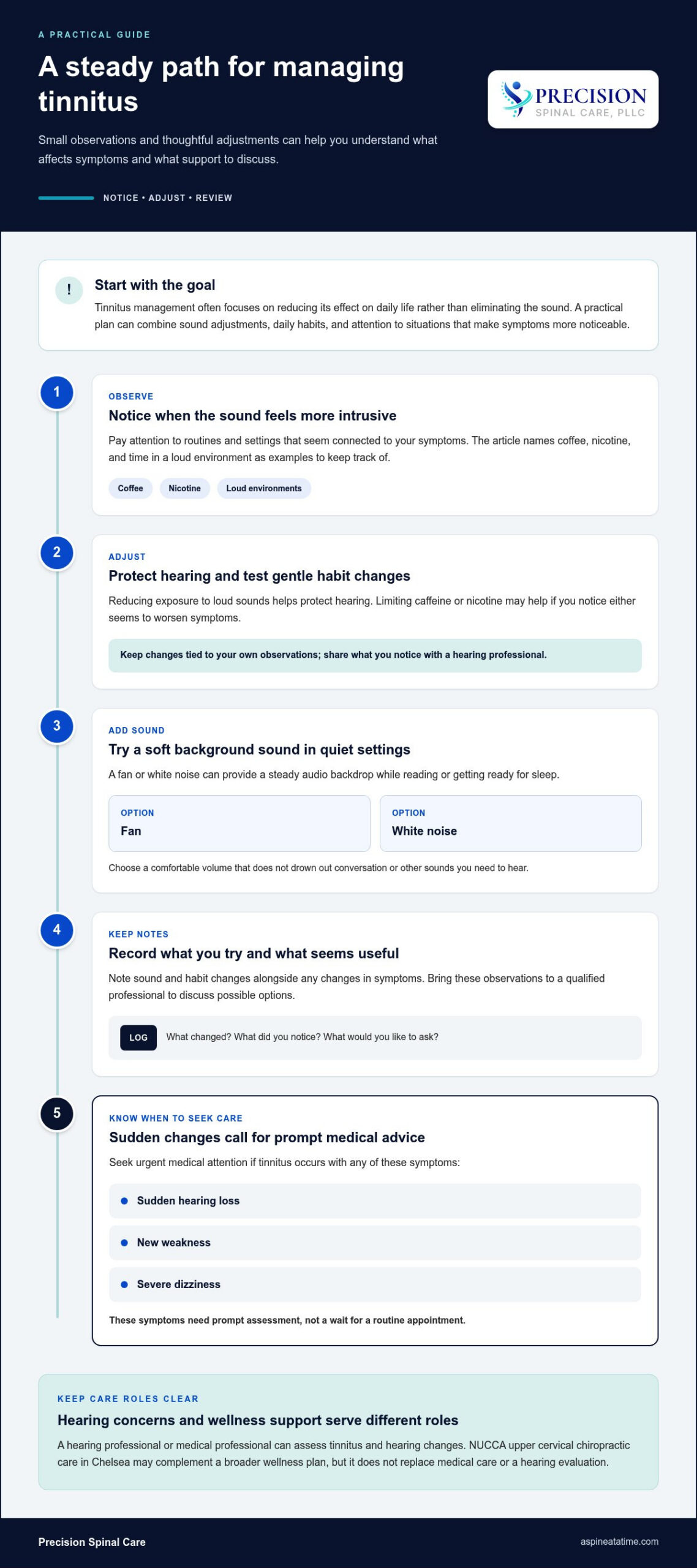
Seek urgent medical attention if tinnitus occurs with sudden hearing loss, new weakness, or severe dizziness. These symptoms need prompt assessment, not a wait for a routine appointment.
For hearing aids, follow the manufacturer’s cleaning instructions and use only recommended tools. Make sure accessories such as batteries, wax guards, or domes are compatible with your device. Over-the-counter hearing aids do not replace an evaluation for tinnitus or hearing loss.
Hearing aids may make tinnitus less noticeable when hearing loss is also present. Reviews from patients near Chelsea describe individual experiences. Look for specific comments about communication, explanations, and follow-up rather than relying on a rating alone.
Tinnitus is often a symptom rather than a condition itself, and possible causes include earwax buildup, medications, and age-related hearing loss. Treatment may include ear cleaning or noise suppression.
How Is Tinnitus Managed?
Tinnitus management often aims to reduce its effect on daily life rather than eliminate the sound. A practical plan may combine sound adjustments, changes to daily habits, and attention to situations that make symptoms more noticeable.
Tinnitus Management Approaches
Notice which routines seem to affect your symptoms. For example, record whether tinnitus feels more intrusive after coffee, nicotine, or time in a loud environment. Reducing exposure to loud sounds helps protect hearing. Limiting caffeine or nicotine may help if either seems to worsen symptoms. Share your observations with a hearing professional to discuss useful options.
Symptom Management and Relief
Soft background sound may make tinnitus less noticeable in quiet settings. A fan or white noise can provide a steady audio backdrop while you read or get ready for sleep. Choose a comfortable volume that does not drown out conversation or other sounds you need to hear.
Medication choices depend on your symptoms and any related health concern. Some medicines may reduce symptoms in certain situations, but no specific medication is established as a solution for tinnitus itself. Keep notes on what you try, including sound and habit changes, and discuss what seems useful with a qualified professional. If tinnitus changes suddenly or comes with new symptoms, seek medical advice promptly.
Provider locations and distance from Chelsea
Patients in Chelsea may also consider care in nearby Ann Arbor. A University of Michigan location there is listed 17.4 km from a Chelsea hearing-provider location. This figure provides a point of comparison, not a travel-time estimate or confirmation that the location provides tinnitus care.
Before booking, confirm the provider’s street address and the exact appointment location. Search results may show a clinic’s main office even when appointments take place elsewhere. Check that the address in your booking details matches the location you plan to visit.
Distance is only one practical factor. Consider how you will travel, whether parking is available at the stated address, and how easily you can return for follow-up visits. If tinnitus affects your concentration, plan your trip for a time when you feel comfortable traveling.
If you are comparing options in Chelsea and Ann Arbor, ask what the appointment includes and which professional you will meet. A hearing-focused evaluation differs from wellness support, so clarify the provider’s role before choosing. Keep previous test results and questions together for your visit.
To compare nearby locations, note each address, the services offered, and your travel plan. Then choose the option that fits your needs and makes follow-up practical. Proximity alone does not show whether a service matches your concern; the provider’s focus matters too.
Objective tinnitus is comparatively rare and may be heard by a healthcare provider during an examination. That possibility does not determine which nearby provider is appropriate. The American Tinnitus Association states that providers listed in its directory are responsible for the accuracy of their own postings and that it makes no recommendations about listed providers or their treatments. Patients are responsible for researching and evaluating which listed provider is right for them. Its Patient Navigator page defines types of tinnitus healthcare providers, which can help clarify roles before arranging care.
Precision Spinal Care: NUCCA Upper Cervical Chiropractic Care
Precision Spinal Care offers NUCCA Upper Cervical Chiropractic Care in Chelsea. Dr. Lisa Olszewski is the only chiropractor in Chelsea offering NUCCA. This gentle, precise approach aligns the upper cervical spine without twisting, popping, or cracking and supports nervous system function.
NUCCA care may complement a broader wellness plan for someone experiencing tinnitus, but it does not replace medical care or an evaluation of hearing changes. An audiologist or medical professional can assess tinnitus and related concerns. Share their findings during a chiropractic consultation.
Contact Precision Spinal Care in Chelsea, Michigan, to learn about NUCCA care and discuss whether it fits your wellness goals.
Choose a Supportive Next Step
Living with tinnitus can make everyday moments feel less settled. A useful next step is to keep your hearing evaluation results and symptom notes together, then consider what support fits your broader wellness goals. A tinnitus relief specialist in Chelsea, MI, can be part of that conversation, while hearing concerns remain within the scope of hearing professionals.
Precision Spinal Care offers NUCCA Upper Cervical Chiropractic Care, Nutritional Consultations, and Wellness Coaching. Parasite Cleansing Programs are available as a separate wellness service, not as a tinnitus-specific approach. Each option serves a different purpose, so focus on the support that aligns with your needs.
Contact Precision Spinal Care to discuss your wellness goals. Taking a thoughtful next step can help you move forward with greater clarity.
Frequently Asked Questions
How common is tinnitus?
Tinnitus is common, and its impact can range from occasional distraction to persistent difficulty concentrating. Subjective tinnitus, which only the person experiencing it can hear, is the most prevalent form. Keep a brief record of when it occurs, such as during quiet evenings or after noisy activities, to describe how it affects your daily routine.
What causes tinnitus?
Tinnitus may be linked to loud-sound exposure, age-related hearing loss, some medications, earwax buildup, or Eustachian tube dysfunction. Jaw joint problems and Meniere’s disease are also possible contributors. Note changes in hearing, medication, or sound exposure around the time symptoms began, then share those details during an evaluation for a more focused discussion.
Which audiologists or tinnitus specialists in Chelsea, Michigan offer tinnitus evaluation and care?
If you are seeking a tinnitus relief specialist in Chelsea, MI, distinguish a hearing evaluation from wellness support. Precision Spinal Care offers NUCCA Upper Cervical Chiropractic Care and supportive care for people experiencing tinnitus, but it is not an audiology clinic. Chiropractic care does not replace medical evaluation or treatment for tinnitus. An audiologist can assess hearing and explain test results.
What tinnitus relief services are available in Chelsea, MI, including sound therapy, hearing aids, and counseling?
Support options may include sound masking, hearing aids when hearing loss is present, and counseling. Audiology professionals can assess hearing and discuss hearing-device options. Counseling is a separate service, while NUCCA care is a non-invasive wellness approach. These options serve different needs, so consider whether your main concern is hearing, coping with tinnitus, or broader wellness support.
Which nearby tinnitus clinics serve Chelsea, Michigan, in Ann Arbor, Jackson, and surrounding areas?
People may seek hearing-related services in Ann Arbor, Jackson, and nearby communities. Precision Spinal Care provides NUCCA support in Chelsea, not audiology services. Dexter, Grass Lake, Gregory, Pinckney, Manchester, Munith, and Bridgewater are also nearby communities to consider when planning travel and follow-up. When looking for a tinnitus relief specialist in Chelsea, MI, distinguish hearing evaluation from chiropractic wellness support.
Disclaimer
This article is for educational purposes only and is not intended to diagnose, treat, cure, or prevent any disease or medical condition. Upper cervical chiropractic care, including NUCCA-based care, focuses on the relationship between the upper spine, nervous system, posture, and overall body function. Individual results may vary, and not every condition or symptom is appropriate for chiropractic care alone. Always consult with a qualified healthcare provider regarding any health concerns, new or worsening symptoms, or before starting any new treatment plan. If you are experiencing a medical emergency, severe pain, sudden neurological symptoms, or other urgent health concerns, seek immediate medical attention.


Recent Comments