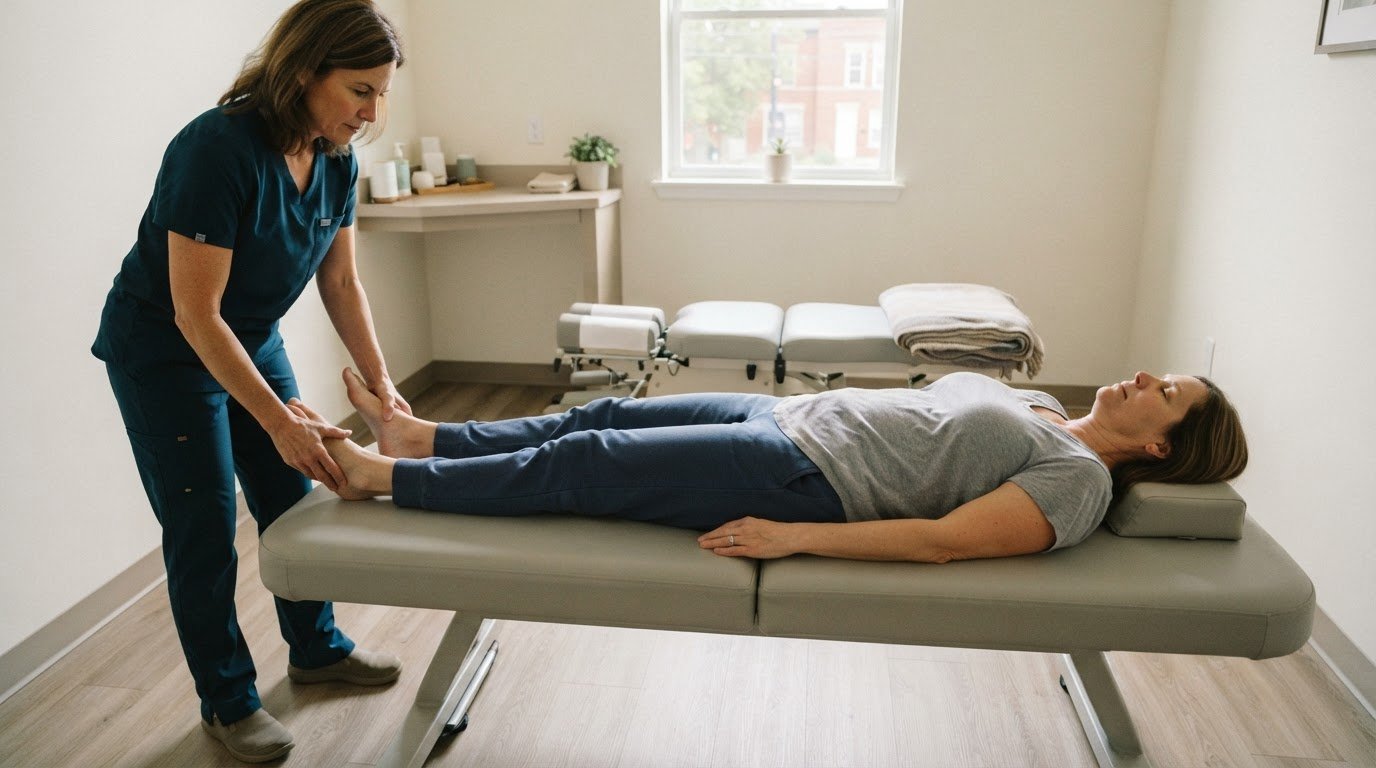

Tinnitus affects about 15 to 20% of people in the United States. If you’re looking for a tinnitus relief specialist in Chelsea, MI, know that the sound may be a symptom linked to hearing loss, ear injury, or another health issue. Its cause and impact can differ from person to person.
Ringing, buzzing, hissing, or clicking can be distracting, especially when it interrupts sleep or makes it harder to focus. Understanding what an evaluation may involve can help you take a steady, informed next step.
This guide explains what may happen after a tinnitus evaluation, common ways to manage symptoms, and care options around Chelsea, including Ann Arbor. It also explains how gentle upper cervical chiropractic support may fit into a broader wellness plan.
What’s next after a tinnitus evaluation?
An evaluation may include an ear, head, and neck examination and a review of your medical history. Be ready to describe when the sound began, whether it affects one or both ears, and whether it is constant or intermittent. These details can help guide the next steps.
Weber and Rinne tests assess hearing and help distinguish conductive from sensorineural hearing loss. Audiometry measures hearing, while otoacoustic emissions tests the cochlea’s responses to sound. Together, these results can clarify whether hearing loss accompanies tinnitus.
Ask about the specialist’s training and experience in tinnitus and hearing assessments. Audiologists focus on hearing evaluation, while relevant qualifications depend on the provider’s role. During your consultation, look for a clear explanation of the results and possible next steps.
When booking in Chelsea, describe your tinnitus and hearing concerns to the clinic. Referral requirements can vary by clinic and insurance coverage, so ask about them when scheduling. Bring a medication list and any previous hearing test results.
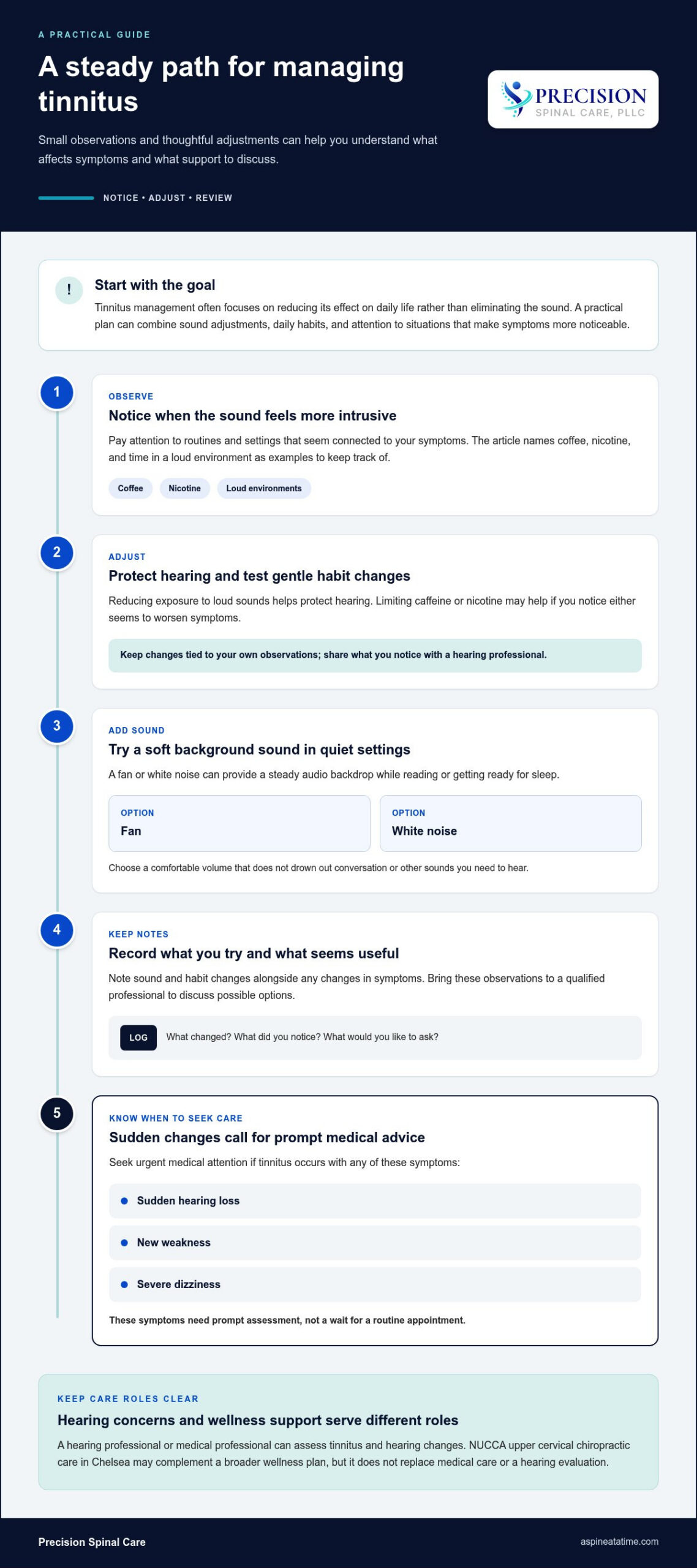
Seek urgent medical attention if tinnitus occurs with sudden hearing loss, new weakness, or severe dizziness. These symptoms need prompt assessment, not a wait for a routine appointment.
For hearing aids, follow the manufacturer’s cleaning instructions and use only recommended tools. Make sure accessories such as batteries, wax guards, or domes are compatible with your device. Over-the-counter hearing aids do not replace an evaluation for tinnitus or hearing loss.
Hearing aids may make tinnitus less noticeable when hearing loss is also present. Reviews from patients near Chelsea describe individual experiences. Look for specific comments about communication, explanations, and follow-up rather than relying on a rating alone.
Tinnitus is often a symptom rather than a condition itself, and possible causes include earwax buildup, medications, and age-related hearing loss. Treatment may include ear cleaning or noise suppression.
How Is Tinnitus Managed?
Tinnitus management often aims to reduce its effect on daily life rather than eliminate the sound. A practical plan may combine sound adjustments, changes to daily habits, and attention to situations that make symptoms more noticeable.
Tinnitus Management Approaches
Notice which routines seem to affect your symptoms. For example, record whether tinnitus feels more intrusive after coffee, nicotine, or time in a loud environment. Reducing exposure to loud sounds helps protect hearing. Limiting caffeine or nicotine may help if either seems to worsen symptoms. Share your observations with a hearing professional to discuss useful options.
Symptom Management and Relief
Soft background sound may make tinnitus less noticeable in quiet settings. A fan or white noise can provide a steady audio backdrop while you read or get ready for sleep. Choose a comfortable volume that does not drown out conversation or other sounds you need to hear.
Medication choices depend on your symptoms and any related health concern. Some medicines may reduce symptoms in certain situations, but no specific medication is established as a solution for tinnitus itself. Keep notes on what you try, including sound and habit changes, and discuss what seems useful with a qualified professional. If tinnitus changes suddenly or comes with new symptoms, seek medical advice promptly.
Provider locations and distance from Chelsea
Patients in Chelsea may also consider care in nearby Ann Arbor. A University of Michigan location there is listed 17.4 km from a Chelsea hearing-provider location. This figure provides a point of comparison, not a travel-time estimate or confirmation that the location provides tinnitus care.
Before booking, confirm the provider’s street address and the exact appointment location. Search results may show a clinic’s main office even when appointments take place elsewhere. Check that the address in your booking details matches the location you plan to visit.
Distance is only one practical factor. Consider how you will travel, whether parking is available at the stated address, and how easily you can return for follow-up visits. If tinnitus affects your concentration, plan your trip for a time when you feel comfortable traveling.
If you are comparing options in Chelsea and Ann Arbor, ask what the appointment includes and which professional you will meet. A hearing-focused evaluation differs from wellness support, so clarify the provider’s role before choosing. Keep previous test results and questions together for your visit.
To compare nearby locations, note each address, the services offered, and your travel plan. Then choose the option that fits your needs and makes follow-up practical. Proximity alone does not show whether a service matches your concern; the provider’s focus matters too.
Objective tinnitus is comparatively rare and may be heard by a healthcare provider during an examination. That possibility does not determine which nearby provider is appropriate. The American Tinnitus Association states that providers listed in its directory are responsible for the accuracy of their own postings and that it makes no recommendations about listed providers or their treatments. Patients are responsible for researching and evaluating which listed provider is right for them. Its Patient Navigator page defines types of tinnitus healthcare providers, which can help clarify roles before arranging care.
Precision Spinal Care: NUCCA Upper Cervical Chiropractic Care
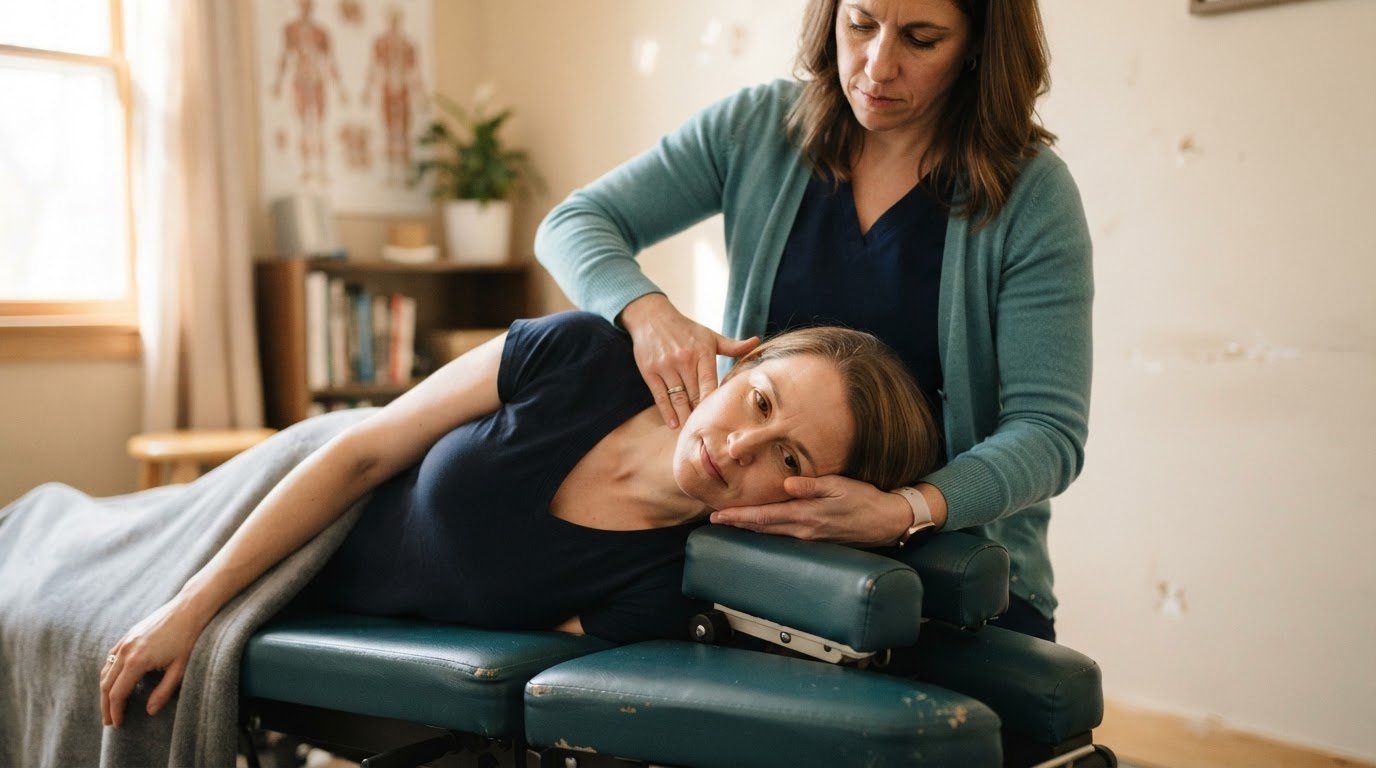
Precision Spinal Care offers NUCCA Upper Cervical Chiropractic Care in Chelsea. Dr. Lisa Olszewski is the only chiropractor in Chelsea offering NUCCA. This gentle, precise approach aligns the upper cervical spine without twisting, popping, or cracking and supports nervous system function.
NUCCA care may complement a broader wellness plan for someone experiencing tinnitus, but it does not replace medical care or an evaluation of hearing changes. An audiologist or medical professional can assess tinnitus and related concerns. Share their findings during a chiropractic consultation.
Contact Precision Spinal Care in Chelsea, Michigan, to learn about NUCCA care and discuss whether it fits your wellness goals.
Choose a Supportive Next Step
Living with tinnitus can make everyday moments feel less settled. A useful next step is to keep your hearing evaluation results and symptom notes together, then consider what support fits your broader wellness goals. A tinnitus relief specialist in Chelsea, MI, can be part of that conversation, while hearing concerns remain within the scope of hearing professionals.
Precision Spinal Care offers NUCCA Upper Cervical Chiropractic Care, Nutritional Consultations, and Wellness Coaching. Parasite Cleansing Programs are available as a separate wellness service, not as a tinnitus-specific approach. Each option serves a different purpose, so focus on the support that aligns with your needs.
Contact Precision Spinal Care to discuss your wellness goals. Taking a thoughtful next step can help you move forward with greater clarity.
Frequently Asked Questions
How common is tinnitus?
Tinnitus is common, and its impact can range from occasional distraction to persistent difficulty concentrating. Subjective tinnitus, which only the person experiencing it can hear, is the most prevalent form. Keep a brief record of when it occurs, such as during quiet evenings or after noisy activities, to describe how it affects your daily routine.
What causes tinnitus?
Tinnitus may be linked to loud-sound exposure, age-related hearing loss, some medications, earwax buildup, or Eustachian tube dysfunction. Jaw joint problems and Meniere’s disease are also possible contributors. Note changes in hearing, medication, or sound exposure around the time symptoms began, then share those details during an evaluation for a more focused discussion.
Which audiologists or tinnitus specialists in Chelsea, Michigan offer tinnitus evaluation and care?
If you are seeking a tinnitus relief specialist in Chelsea, MI, distinguish a hearing evaluation from wellness support. Precision Spinal Care offers NUCCA Upper Cervical Chiropractic Care and supportive care for people experiencing tinnitus, but it is not an audiology clinic. Chiropractic care does not replace medical evaluation or treatment for tinnitus. An audiologist can assess hearing and explain test results.
What tinnitus relief services are available in Chelsea, MI, including sound therapy, hearing aids, and counseling?
Support options may include sound masking, hearing aids when hearing loss is present, and counseling. Audiology professionals can assess hearing and discuss hearing-device options. Counseling is a separate service, while NUCCA care is a non-invasive wellness approach. These options serve different needs, so consider whether your main concern is hearing, coping with tinnitus, or broader wellness support.
Which nearby tinnitus clinics serve Chelsea, Michigan, in Ann Arbor, Jackson, and surrounding areas?
People may seek hearing-related services in Ann Arbor, Jackson, and nearby communities. Precision Spinal Care provides NUCCA support in Chelsea, not audiology services. Dexter, Grass Lake, Gregory, Pinckney, Manchester, Munith, and Bridgewater are also nearby communities to consider when planning travel and follow-up. When looking for a tinnitus relief specialist in Chelsea, MI, distinguish hearing evaluation from chiropractic wellness support.
Disclaimer
This article is for educational purposes only and is not intended to diagnose, treat, cure, or prevent any disease or medical condition. Upper cervical chiropractic care, including NUCCA-based care, focuses on the relationship between the upper spine, nervous system, posture, and overall body function. Individual results may vary, and not every condition or symptom is appropriate for chiropractic care alone. Always consult with a qualified healthcare provider regarding any health concerns, new or worsening symptoms, or before starting any new treatment plan. If you are experiencing a medical emergency, severe pain, sudden neurological symptoms, or other urgent health concerns, seek immediate medical attention.